
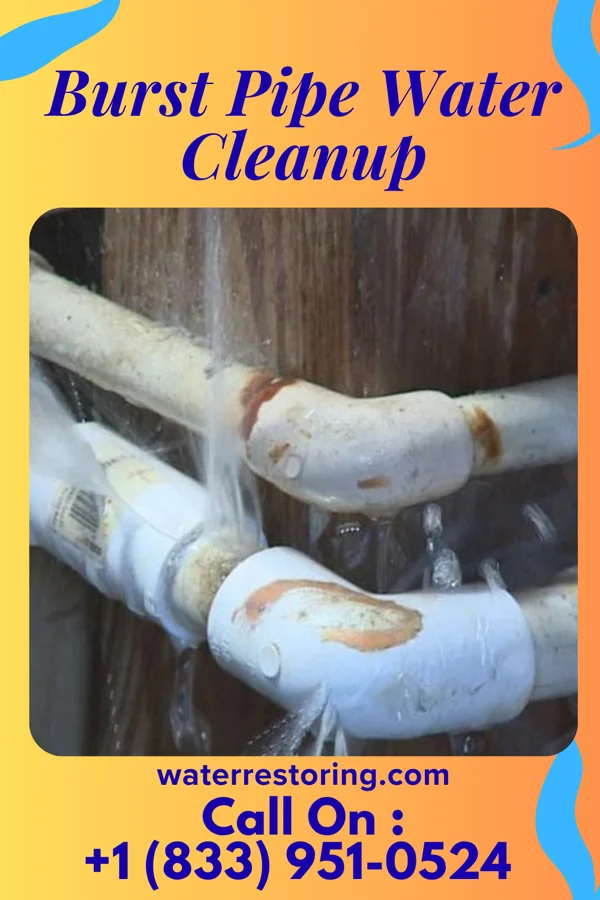
Why Burst Pipes Hit Dix Hills Hard
The pattern in Dix Hills is consistent. Dix Hills experiences frequent temperature fluctuations during the winter months, which can cause pipes to expand and contract, increasing the risk of bursting. Additionally, the area's older infrastructure, particularly in neighborhoods like South Huntington and Elwood, may have outdated plumbing systems that are more prone to failure during extreme weather events. drives most of the emergency restoration calls we get. A close second is The suburban nature of Dix Hills, with many homes built on expansive lots, often leads to longer water lines that are more susceptible to freezing. This is especially common in areas like Deer Park and Dix Hills Village, where homes are spaced further apart and may not have adequate insulation for underground pipes..
Dix Hills' climate, characterized by cold winters and warm summers, creates a unique set of challenges for plumbing systems. The region's proximity to Long Island Sound also means that sudden temperature changes can affect water pressure and increase the likelihood of pipe bursts.
Dix Hills' climate, characterized by cold winters and warm summers, creates a unique set of challenges for plumbing systems. The region's proximity to Long Island Sound also means that sudden temperature changes can affect water pressure and increase the likelihood of pipe bursts. The dominant local driver is Dix Hills experiences frequent temperature fluctuations during the winter months, which can cause pipes to expand and contract, increasing the risk of bursting. Additionally, the area's older infrastructure, particularly in neighborhoods like South Huntington and Elwood, may have outdated plumbing systems that are more prone to failure during extreme weather events., with The suburban nature of Dix Hills, with many homes built on expansive lots, often leads to longer water lines that are more susceptible to freezing. This is especially common in areas like Deer Park and Dix Hills Village, where homes are spaced further apart and may not have adequate insulation for underground pipes. showing up as the next most common cause. Damage builds in stages. Spread. Absorption. Microbial growth. Structural compromise. Every stage you pass through adds to the final bill.
For public guidance on the health effects of mold after prolonged water exposure, see the EPA mold and health page.